
.png)
"New Year, New Home: A Practical Maintenance Checklist for Central Florida Homeowners".
- Grant Doutt
- Dec 26, 2025
- 5 min read

Updated: Dec 28, 2025
Why January Is the Perfect Time for a Home Maintenance Reset
As we kick off a new year, January is the ideal time for Central Florida homeowners to take stock of their biggest investment—their home. After hurricane season's stress on roofs and exterior elements, plus the wear and tear of holiday gatherings, your property could be hiding small issues that grow into expensive repairs.
The good news? A simple, annual maintenance checklist completed this month can protect your home, catch problems early, and keep your property running smoothly all year long. And if you discover items beyond a DIY fix, you'll know exactly when to call in a professional.
](https://static.wixstatic.com/media/a78a58_60d8f5f177264d0c8348cf4970605746~mv2.jpg/v1/fill/w_980,h_551,al_c,q_85,usm_0.66_1.00_0.01,enc_avif,quality_auto/a78a58_60d8f5f177264d0c8348cf4970605746~mv2.jpg)
Exterior: Your Home's First Line of Defense
Your home's exterior shields everything inside from Florida's sun, humidity, and storms.
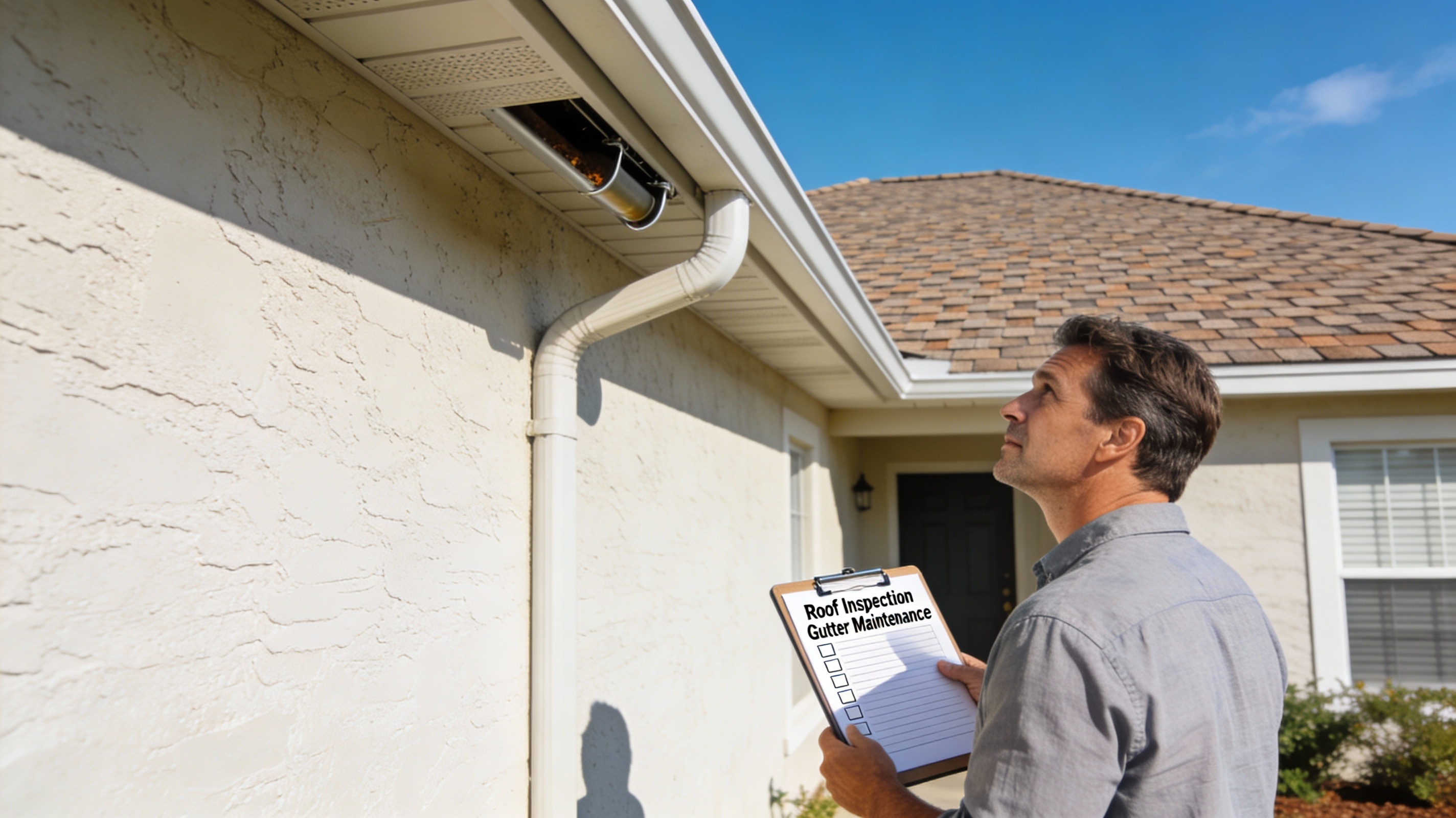
- [ ] **Roof and gutters:** Walk around and look for missing shingles, bent flashing, or debris buildup in gutters.
- [ ] **Grading and drainage:** Check that water slopes away from your foundation. Look for pooling near the base of your home.
- [ ] **Stucco, siding, and paint:** Scan for cracks, peeling paint, or areas where stucco is chipping. These are entry points for moisture.
- [ ] **Caulking around windows and doors:** Press gently on exterior caulk to see if it's cracked or missing. Recaulk as needed.
- [ ] **Vegetation and tree branches:** Trim back branches touching the roof. Clear leaves and debris from the yard to reduce moisture and pest entry.
- [ ] **Outdoor hose bibs and spigots:** Test each one for leaks and ensure they drain properly.
---
Roof and Attic: Where Leaks Start
A strong roof is critical in Florida's climate. Take time to inspect from the ground and, if safe, peek into the attic.
- [ ] **Roof condition:** Use binoculars to spot missing, curled, or damaged shingles from the ground.
- [ ] **Flashing integrity:** Check around vent pipes, skylights, and chimneys for rust, gaps, or separation.
- [ ] **Attic moisture and ventilation:** Look for water stains, mold, or dampness on rafters and decking. Ensure soffit vents are clear.
- [ ] **Attic insulation:** Check that insulation is present and not compressed by water damage.
- [ ] **Penetrations:** Note any holes or cracks where pipes, wires, or ducts enter the attic.
---
HVAC: Keeping Your System Running Smoothly
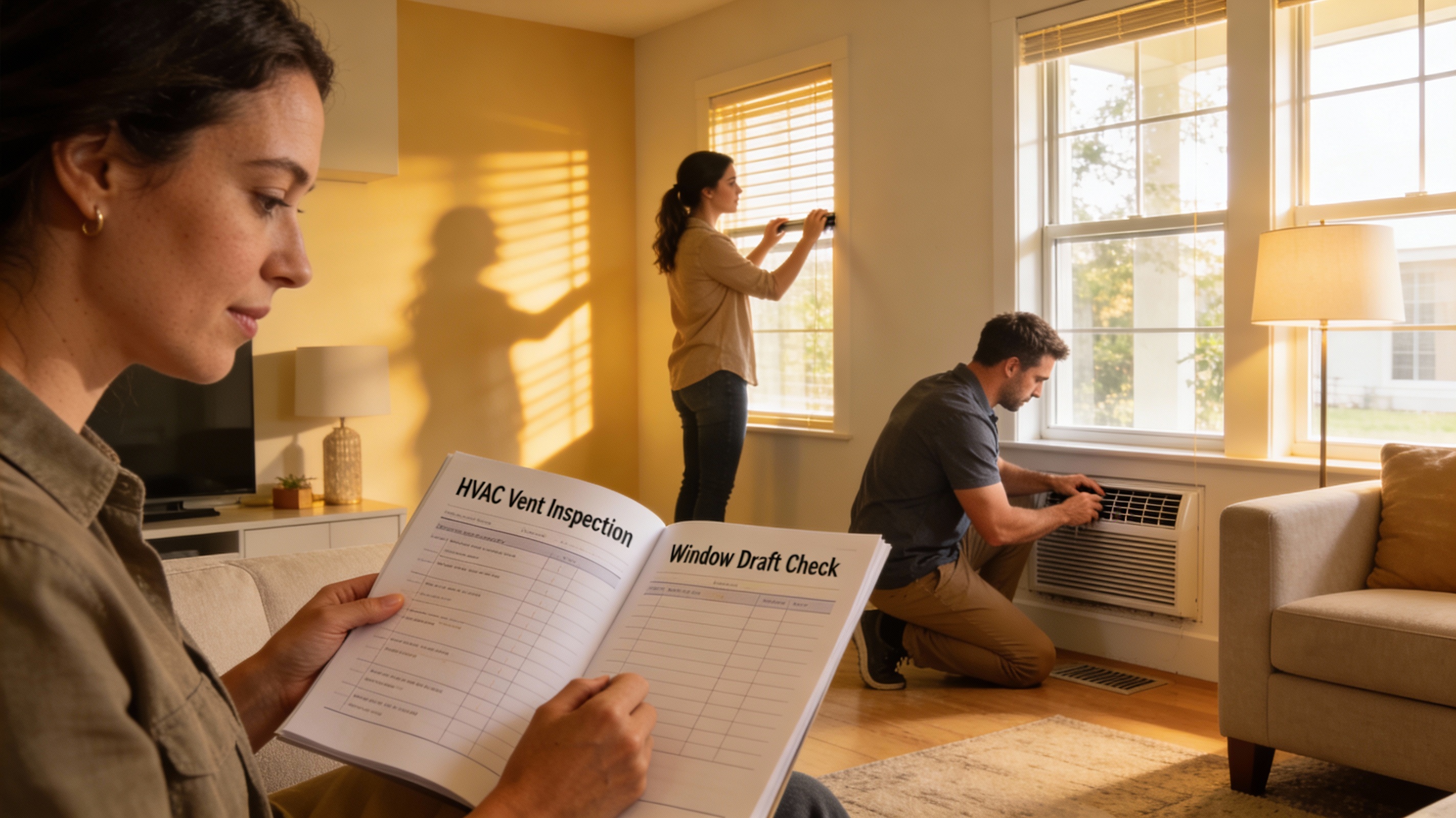
Your air conditioning system works hard in Florida. Regular checks extend its life and keep energy bills down.
- [ ] **Air filter:** Replace your HVAC filter (typically every 1–3 months, depending on pets and dust).
- [ ] **Condensate drain line:** Pour a small amount of water down the condensate line near your indoor unit to ensure it's flowing freely.
- [ ] **Outdoor unit clearance:** Remove leaves, dirt, and debris from around your outdoor AC condenser. Keep at least 2 feet of clearance.
- [ ] **Thermostat settings:** Test your heating and cooling modes to confirm both work. Check that your thermostat is reading the correct temperature.
- [ ] **Ductwork (if accessible):** If you can safely see ducts in the attic or crawl space, look for loose connections or visible gaps.
---
Plumbing: Preventing Water Damage
Water damage is costly. A quick plumbing check can catch small leaks before they become big problems.
- [ ] **Under sinks:** Open cabinet doors under each bathroom and kitchen sink. Look for water stains, active drips, or soft wood.
- [ ] **Water heater:** Check the base for rust or standing water. Feel the temperature of the tank—it should be warm but not scalding.
- [ ] **Supply lines:** If visible (especially under sinks or behind toilets), look for corrosion, bulging, or water stains on the lines.
- [ ] **Toilets:** Jiggle the handle to ensure it stops filling and doesn't run. Look for water around the base.
- [ ] **Showers and tubs:** Caulk any cracks or gaps around tile or the tub surround. Check for soft spots in walls that suggest hidden leaks.
- [ ] **Exterior hose connections:** Test all outdoor spigots for leaks and confirm shutoff valves operate smoothly.
---
Electrical and Safety: Peace of Mind Matters
Safety checks take just minutes but can prevent serious hazards.
- [ ] **GFCI outlets:** If you have outlets in bathrooms or kitchens near water, press the "Test" button. It should trip the outlet off. Press "Reset" to restore power.
- [ ] **Smoke and carbon monoxide alarms:** Test each detector by pressing the test button. Replace batteries if needed. Note the age—replace units older than 10 years.
- [ ] **AFCI outlets or breakers:** If your home has AFCI protection, test it similarly to GFCIs (often one AFCI outlet or breaker protects multiple outlets).
- [ ] **Fire extinguisher:** Ensure you have at least one easily accessible fire extinguisher. Check the pressure gauge.
- [ ] **Electrical outlets and switches:** Look for discoloration, warm spots, or outlets that don't hold plugs snugly. Report any unusual findings to a licensed electrician.
- [ ] **Tripping hazards:** Check cords, rugs, and floor gaps for tripping hazards, especially along main walkways.
---
Interior and Moisture: Catching Hidden Issues
Interior checks focus on moisture—the biggest enemy in Florida homes.
- [ ] **Windows and doors:** Open and close each one to ensure smooth operation. Check weatherstripping for cracks or gaps.
- [ ] **Ceilings and walls:** Look for water stains, soft drywall, or discoloration that suggests roof or plumbing leaks.
- [ ] **Basement or crawl space:** If accessible, look for standing water, moisture, or mold. Ensure sump pumps (if present) are clear and operational.
- [ ] **Around tubs and showers:** Inspect tile grout and caulk for cracks. Look behind fixtures for soft spots or mold growth.
- [ ] **Attic or upper-floor ceilings:** Scan for water stains or evidence of past leaks that may indicate ongoing issues.
- [ ] **Humidity and odors:** Notice any musty smells or visible condensation on windows—signs of excess moisture.
---
When to Call a Professional
Your checklist will help you identify minor issues you can handle yourself (like replacing an air filter or recaulking around a window). But some findings warrant a call to a licensed professional:
- **Roof damage or missing shingles** – A roofer can assess and repair.
- **Active leaks or water stains** – A plumber or roofer, depending on the source.
- **Electrical concerns** – Always contact a licensed electrician for burnt outlets, tripping breakers, or faulty GFCIs.
- **HVAC problems** – AC units running poorly or not at all need professional diagnosis.
- **Mold or moisture issues** – These require expert assessment and remediation.
- **Structural concerns** – Cracks in stucco, soft wood, or settling warrant a home inspector's eye.
---
Take the Next Step: Schedule a Professional Home Inspection
While this annual checklist is a great starting point, a comprehensive home inspection every few years provides a complete picture of your home's condition. A licensed inspector uses specialized equipment and training to spot issues you might miss—things hidden in walls, attics, and under foundations.
**Four Corners Home Inspections** offers thorough, detailed inspections that give you peace of mind and a clear roadmap for maintenance. Whether you're starting your January checklist or you've found items that need expert eyes, we're here to help.
**Ready to protect your home in 2026?**
- Download your printable **January Home Maintenance Checklist (PDF)** below and post it on your fridge.
](https://static.wixstatic.com/media/a78a58_2168e79ce1004f16b24d5b8843ae856e~mv2.jpg/v1/fill/w_980,h_551,al_c,q_85,usm_0.66_1.00_0.01,enc_avif,quality_auto/a78a58_2168e79ce1004f16b24d5b8843ae856e~mv2.jpg)
-
--
Print it, grab a pen, and work through your home room by room. Check off tasks as you go. If you find anything that needs professional attention, that list becomes your conversation starter when you call Four Corners Home Inspections.
---
**Questions about any of these tasks?** Reach out to Four Corners Home Inspections
at 352-272-1322. We're here to help Central Florida homeowners keep their homes safe, comfortable, and valuable.
*Four Corners Home Inspections | Clermont, Florida | Certified Master Home Inspector*


Comments